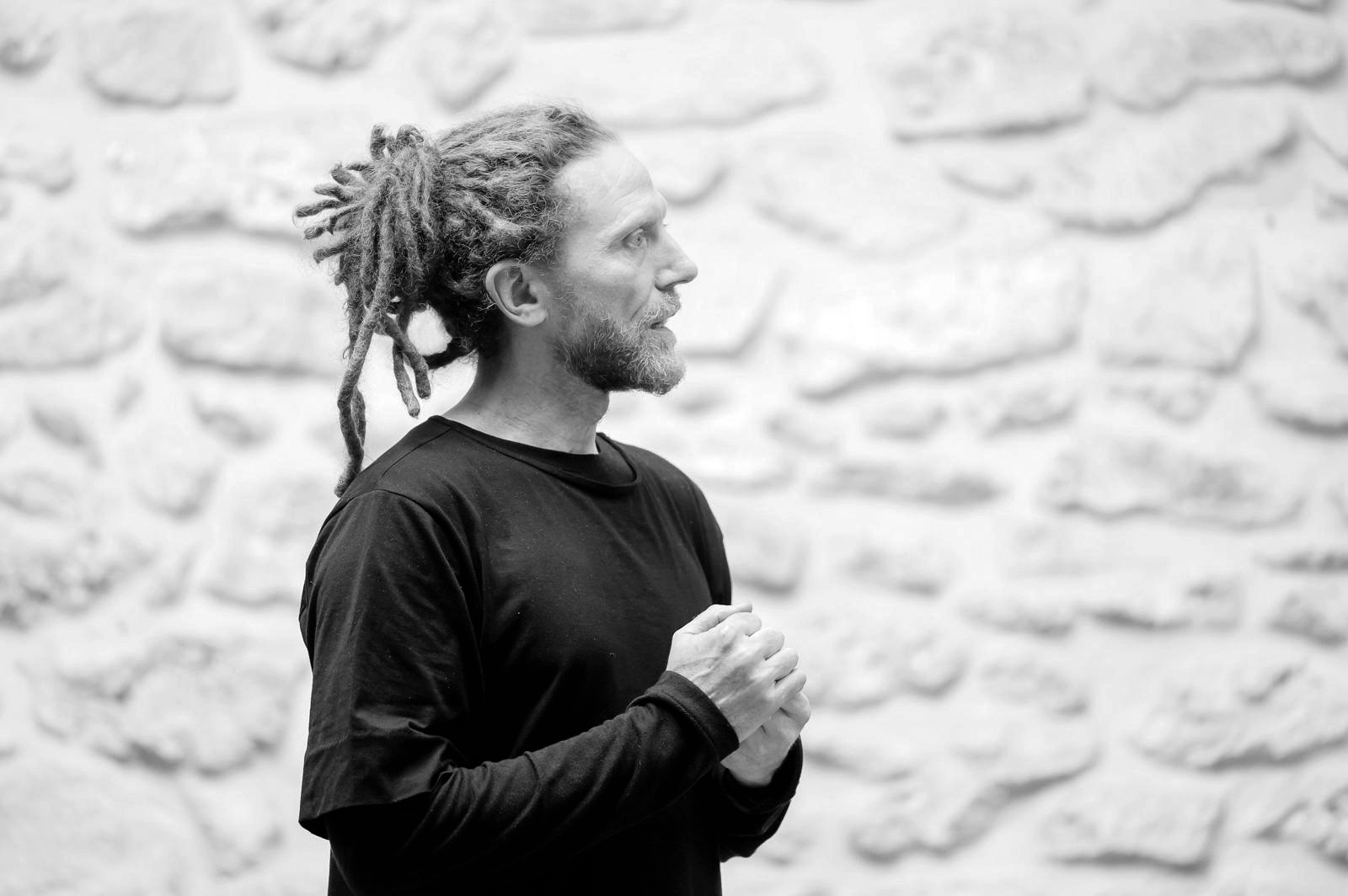










Portrait of Marc Papillon in profile, hands clasped, in front of a white stone wall.

Marc Papillon

Trainer, physiotherapist
Physical and mental coach for artists

Background

Marc offers musicians a research partnership: becoming more robust, widening one’s comfort zone and recognising the ground already covered.

Since 1996, Marc has continued and developed the work of Philippe Chamagne, a pioneer of musicians’ rehabilitation in Europe. In 2003, together with him and Dr Arcier (Médecine des Arts), he founded the Clinique du Musicien et de la Performance Musicale in Paris.

A qualified physiotherapist (1997), with a master’s degree in industrial design and musical instrument design (1999), the European diploma in Performing Arts Medicine (2000) and a certification in cognitive behavioural therapy (2010), he has always sought to bring together medical, scientific and teaching approaches.

Research and teaching

He continues his explorations of a subject close to his heart: musician’s focal dystonia.

In 2014 he created the first online video course devoted to the physical and mental preparation of artists, with nearly a hundred workshops.

He has published many books:

  • La main du pianiste (2001), La main du guitariste (2011)
  • Prévention des pathologies du musicien (collective work, 2007)
  • S’amuser, c’est mieux jouer (2018, Éditions Marc Papillon)
  • Teaching series Jour 1, Jour 2, Jour 3 (2019-2020)

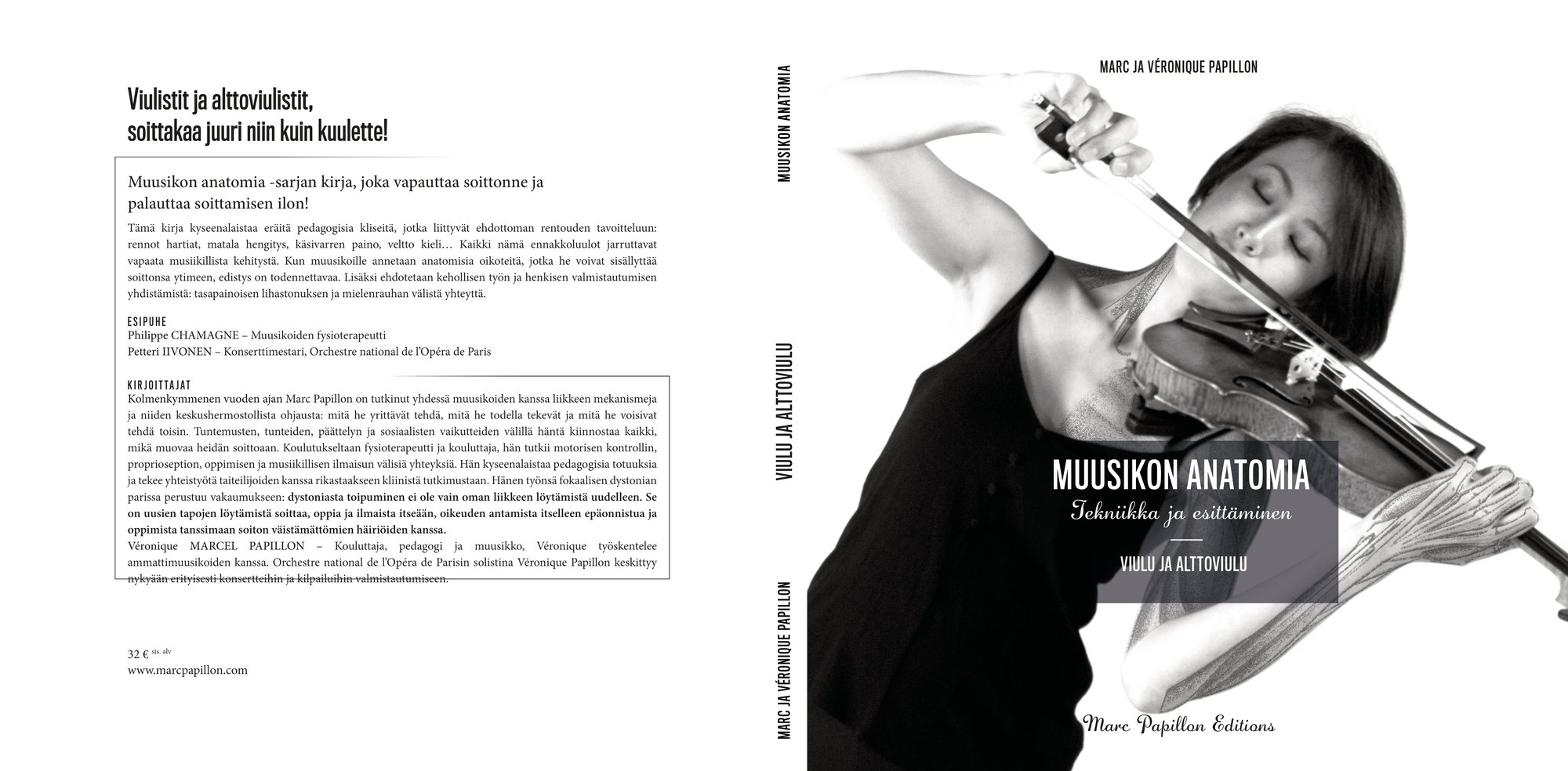
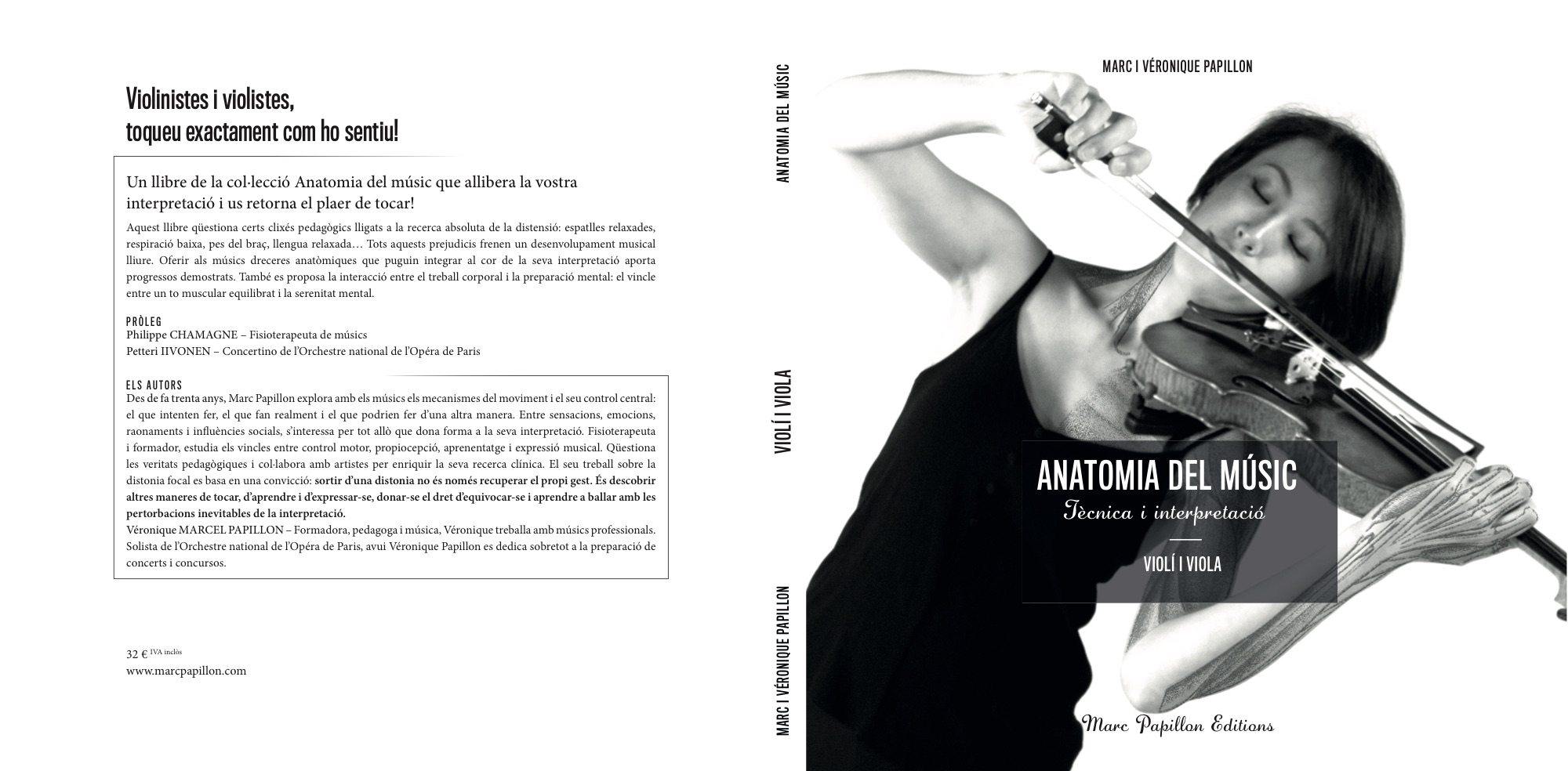
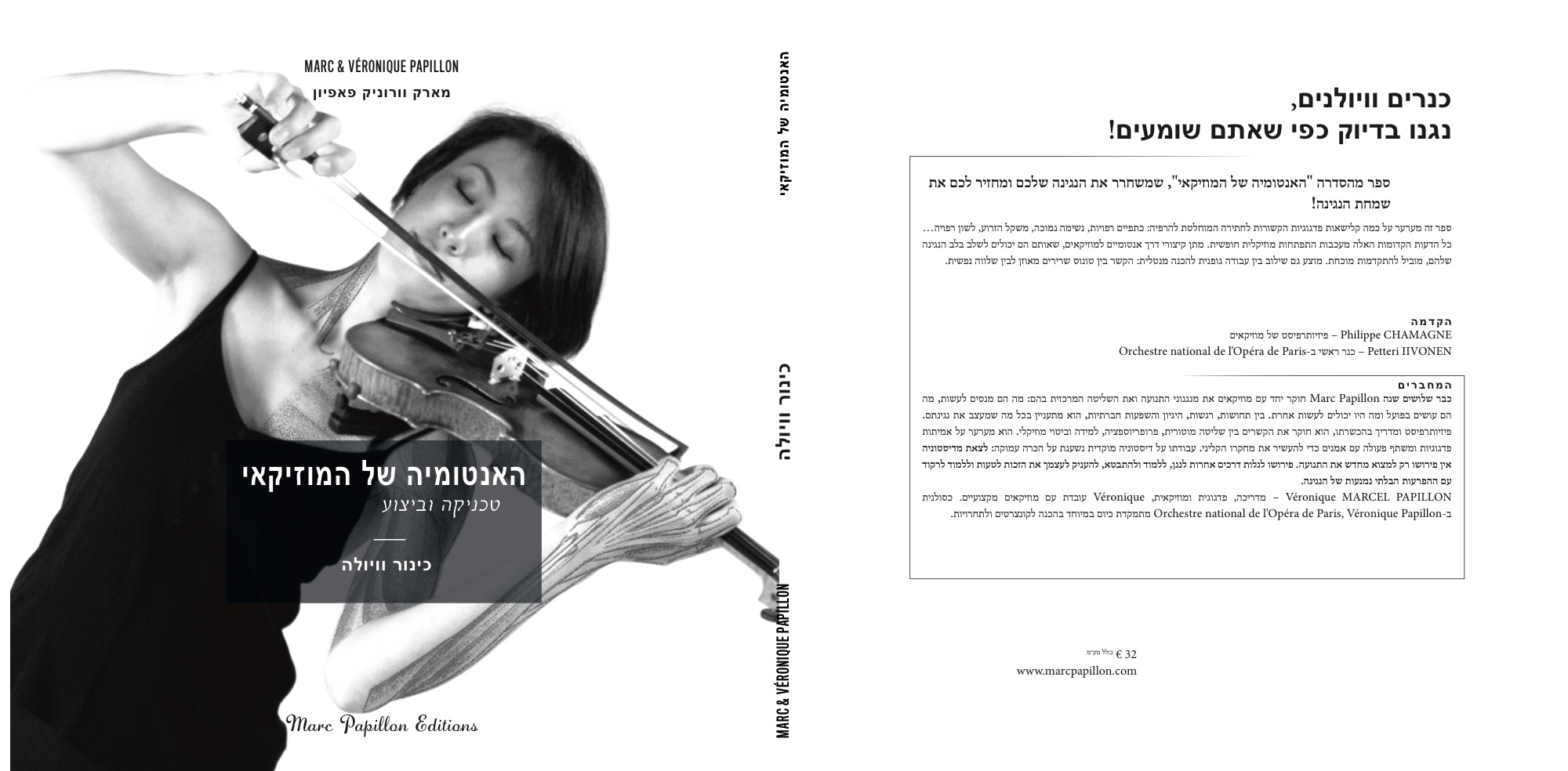
The Anatomie du musicien series (2019-2024), covering all instruments and performing disciplines, in 10 books:

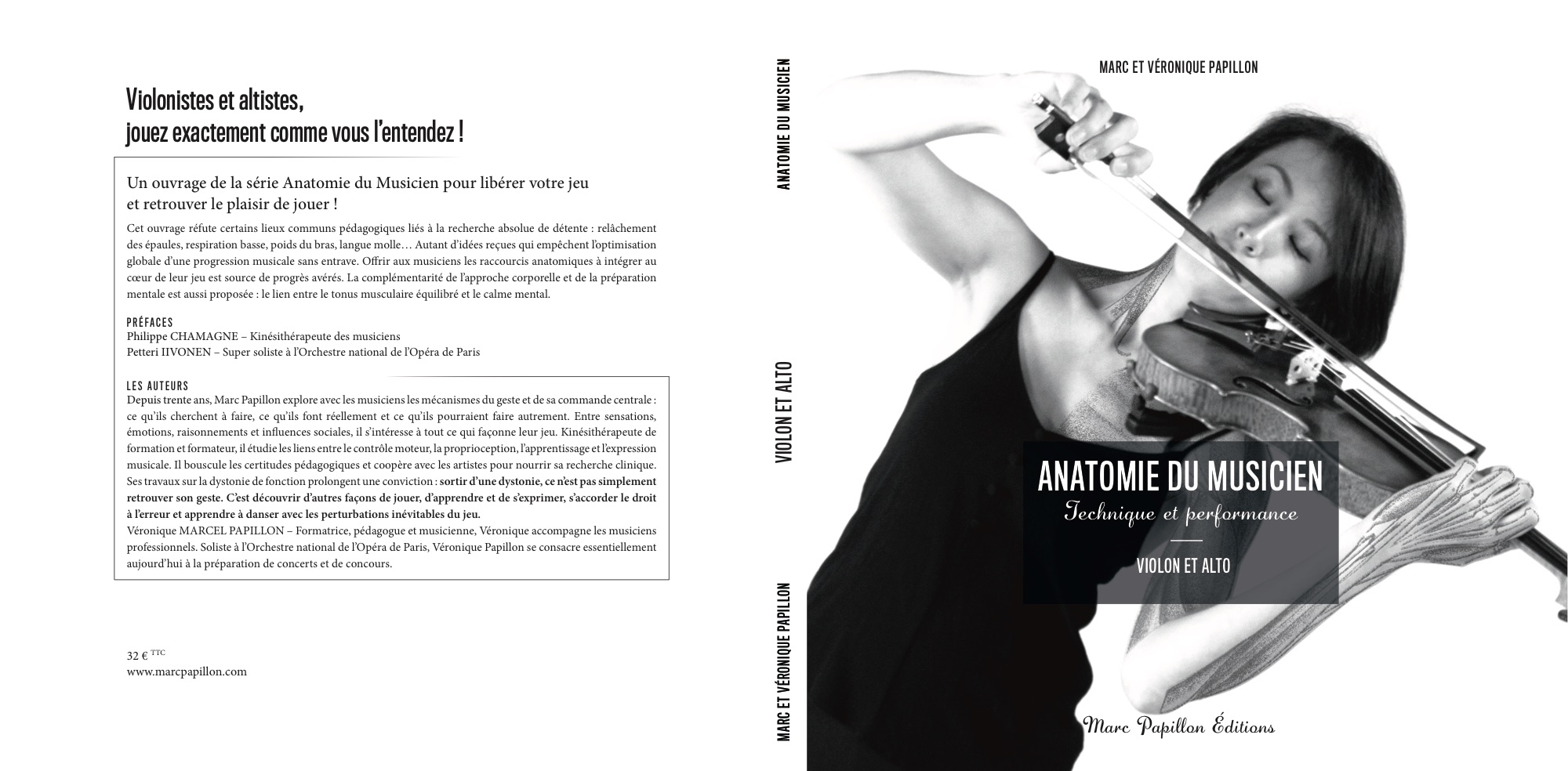
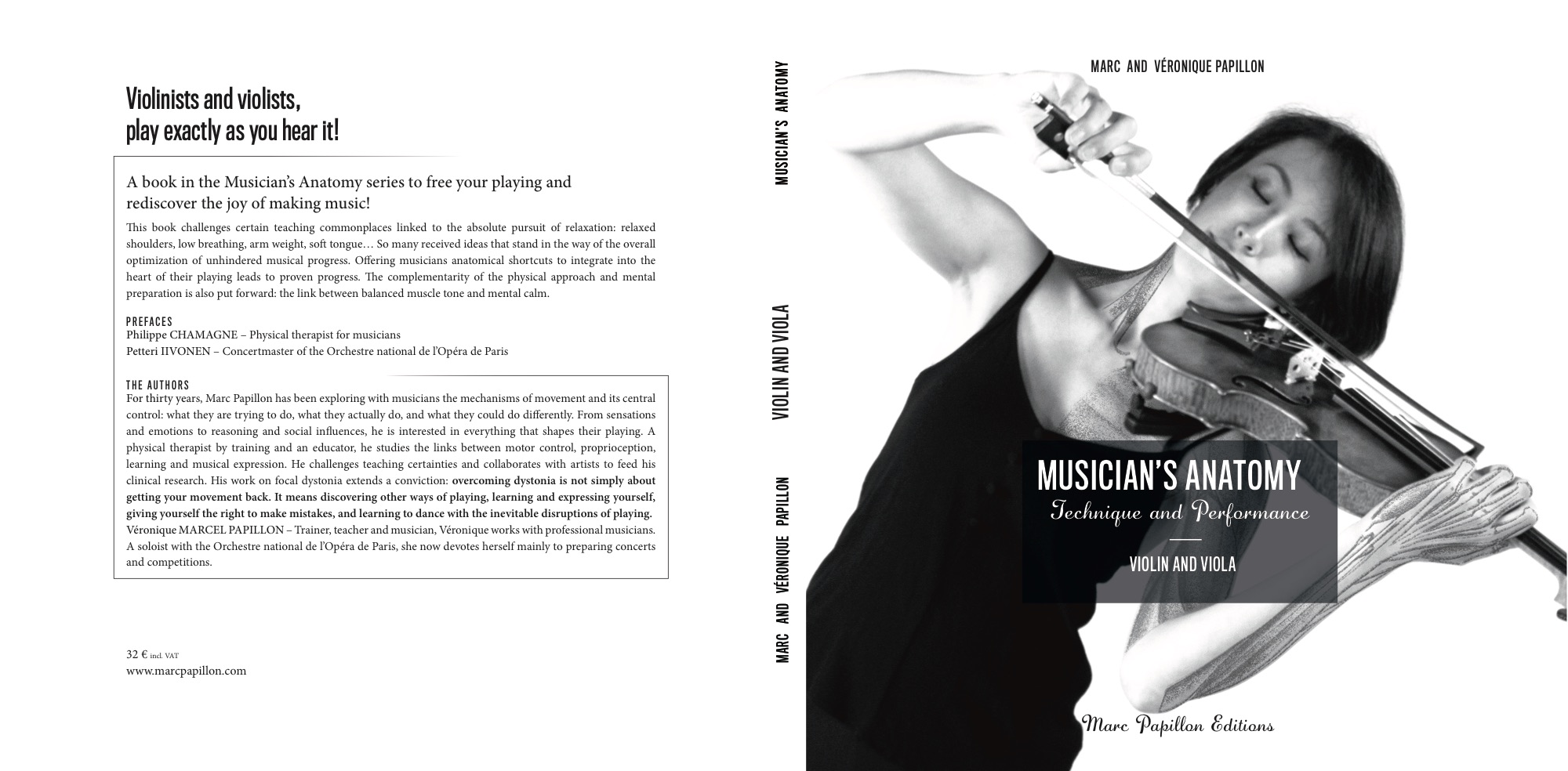
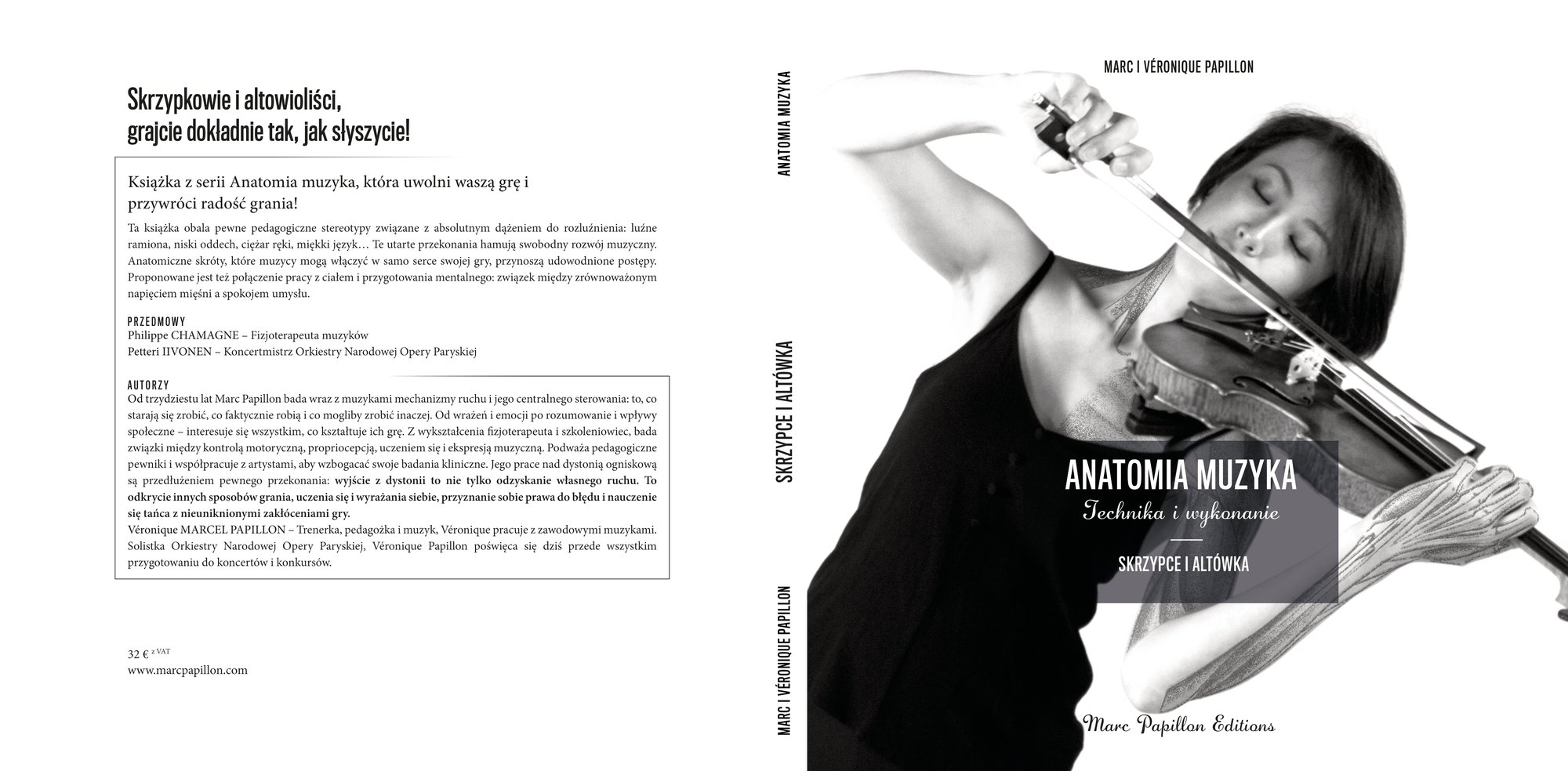
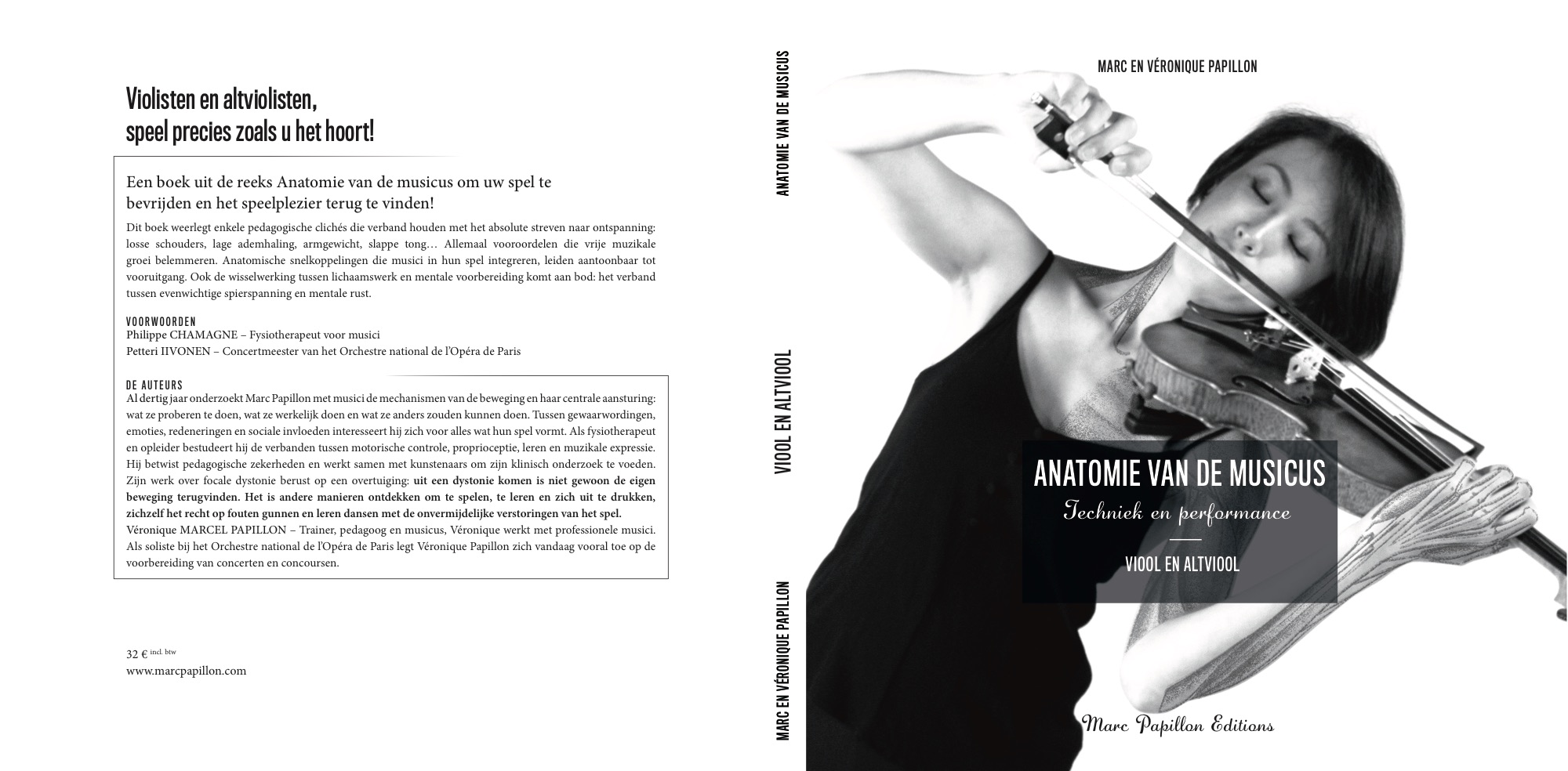
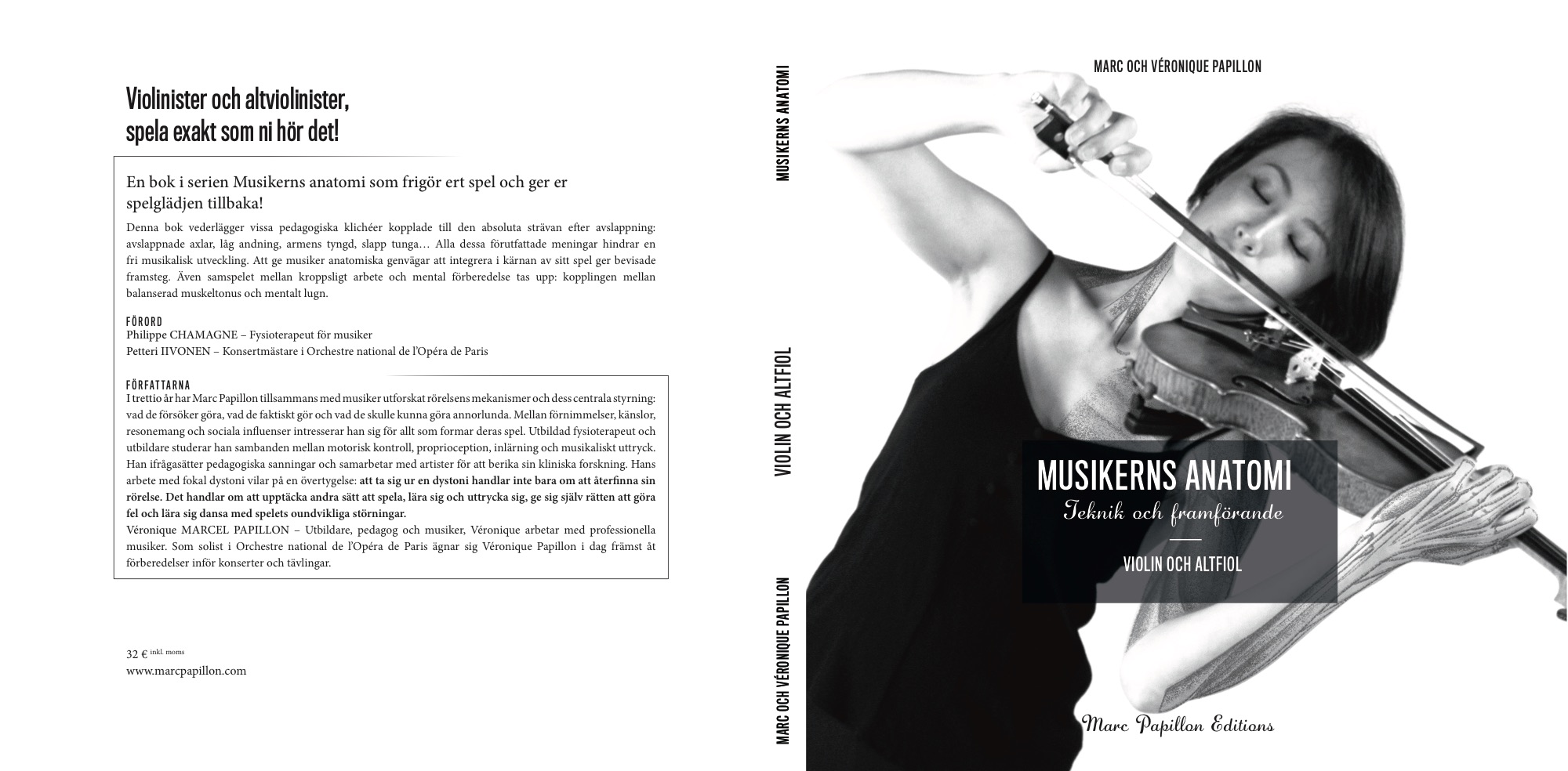
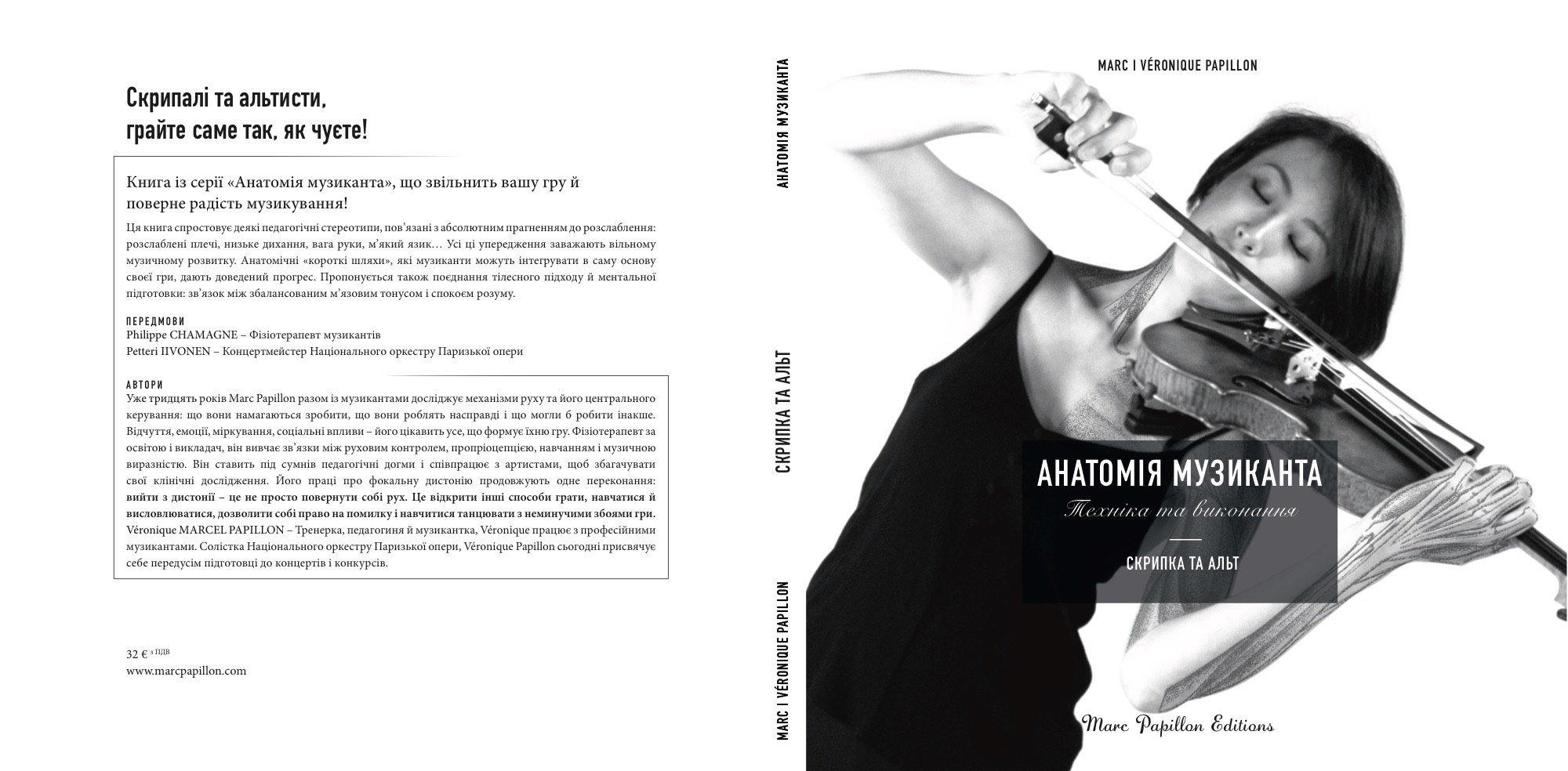
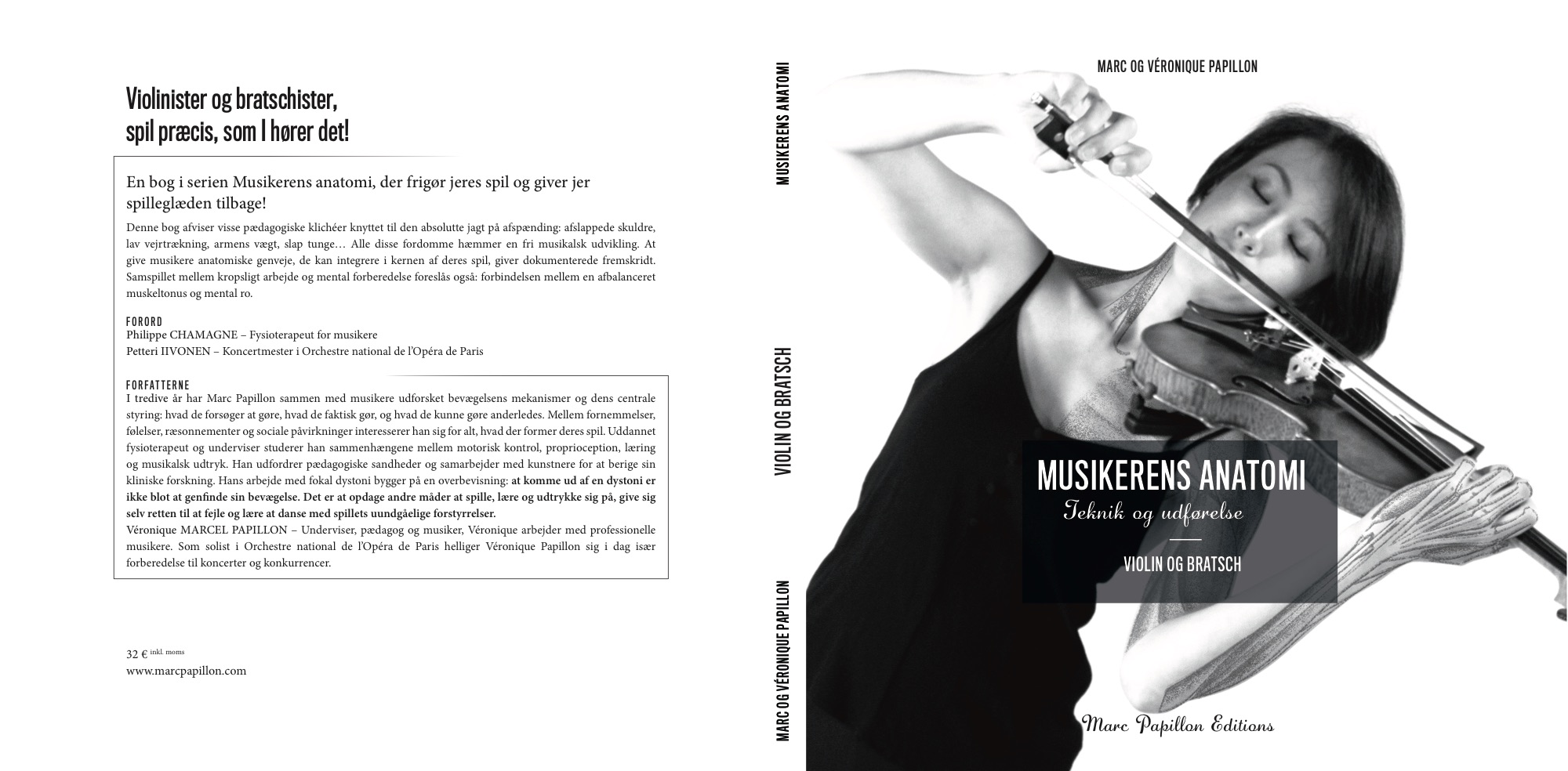
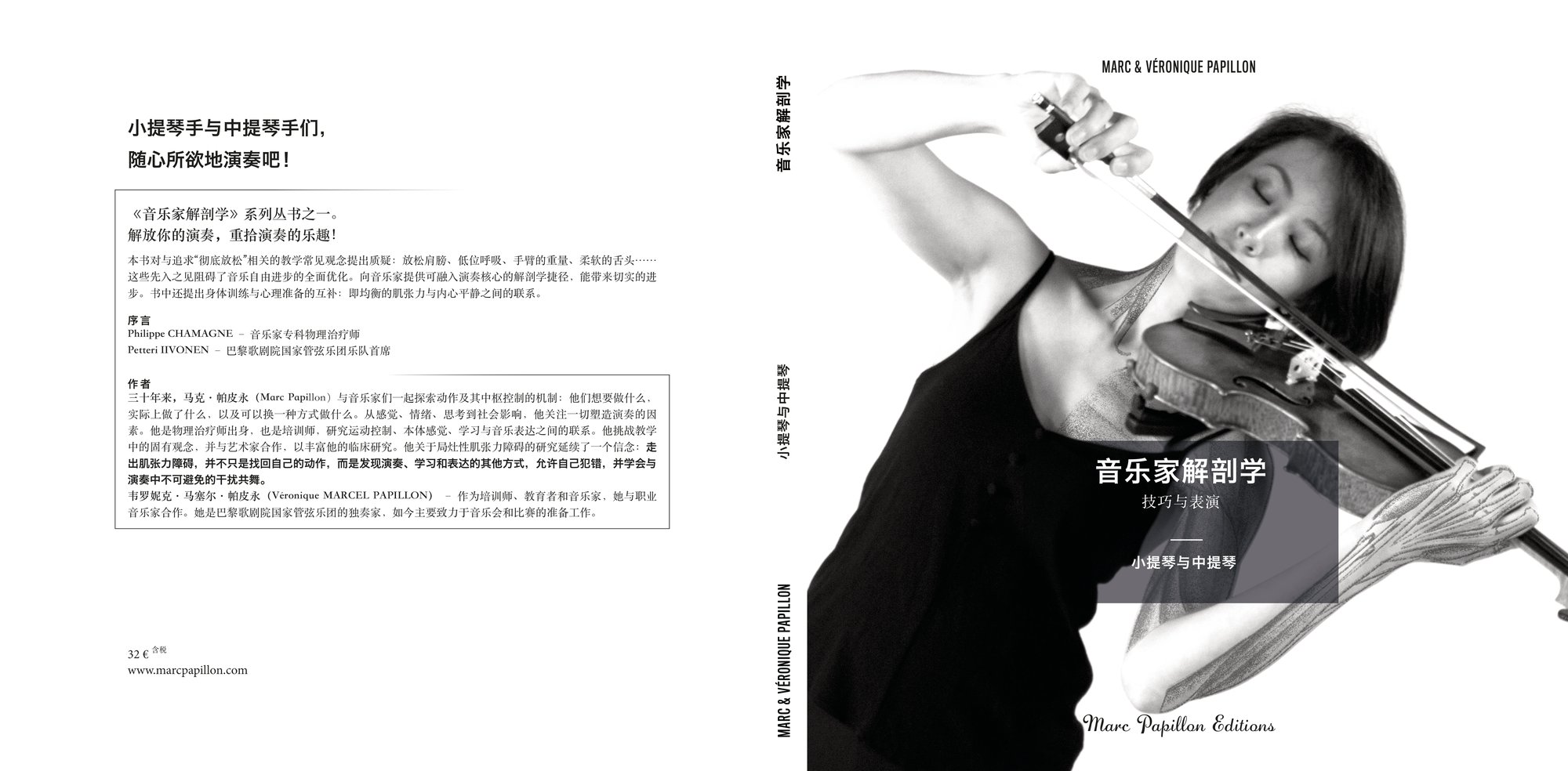
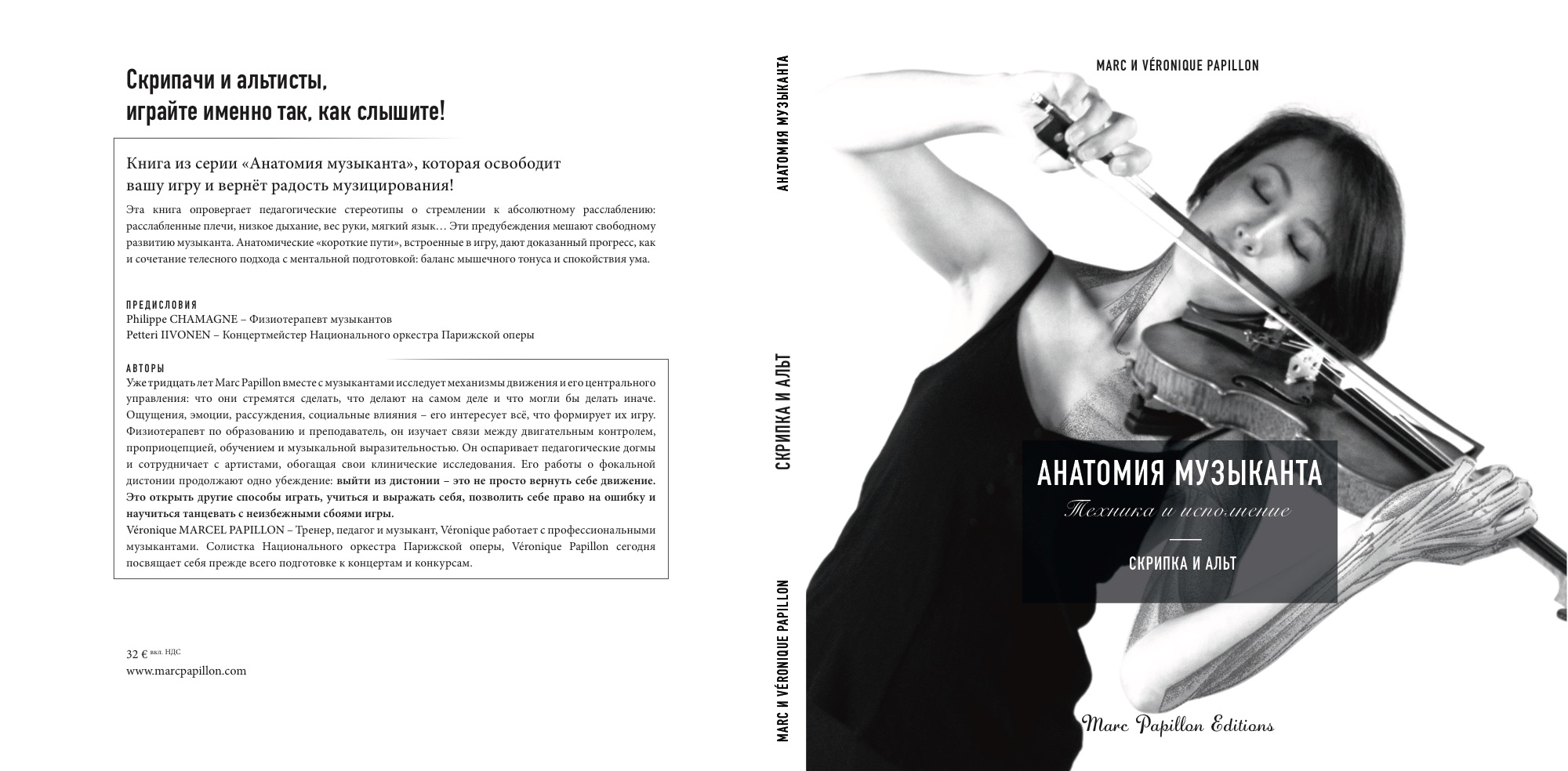
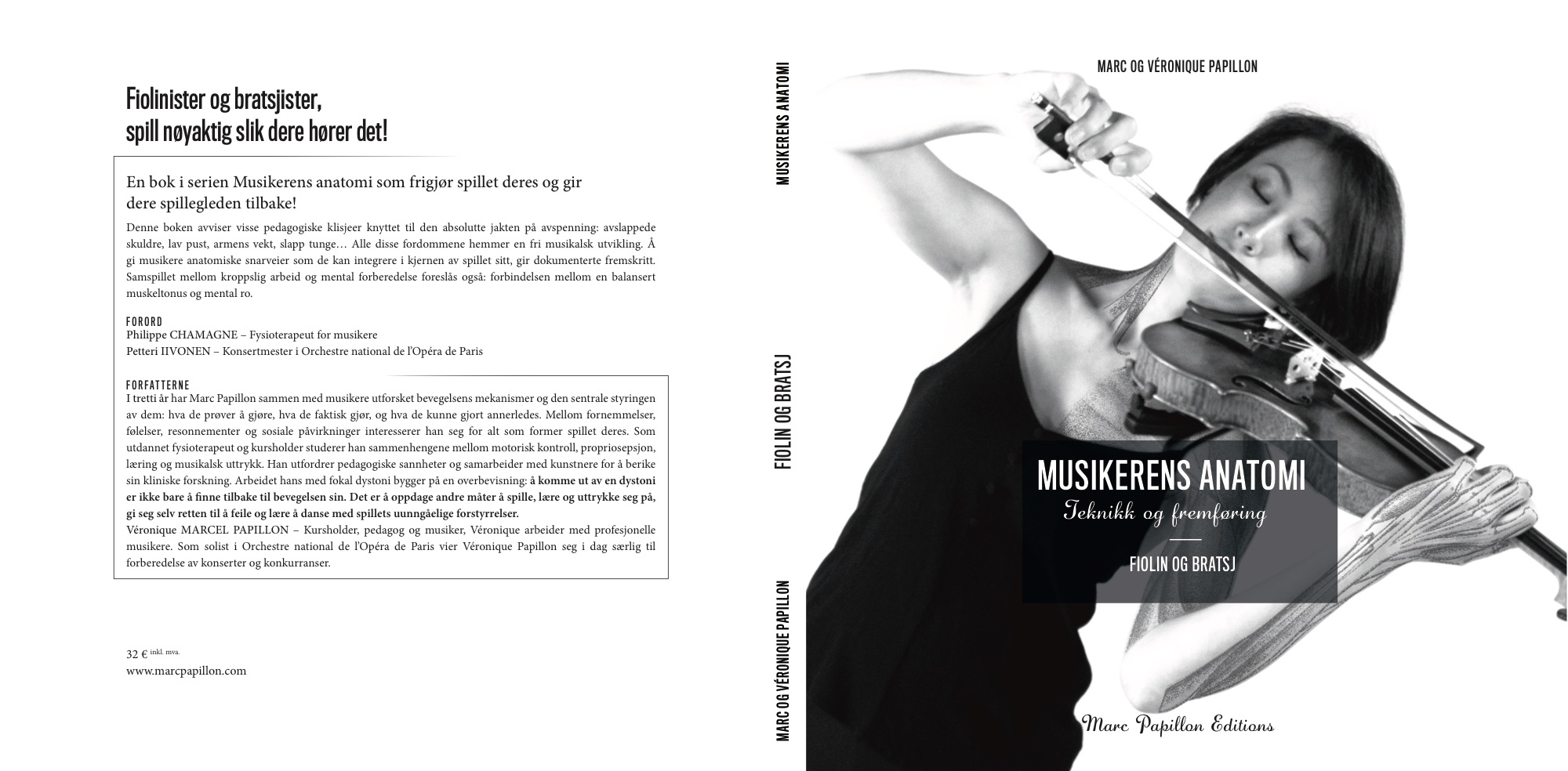
  1. Couverture d’Anatomie du musicien : Violon et alto. Agrandir.Violon et alto
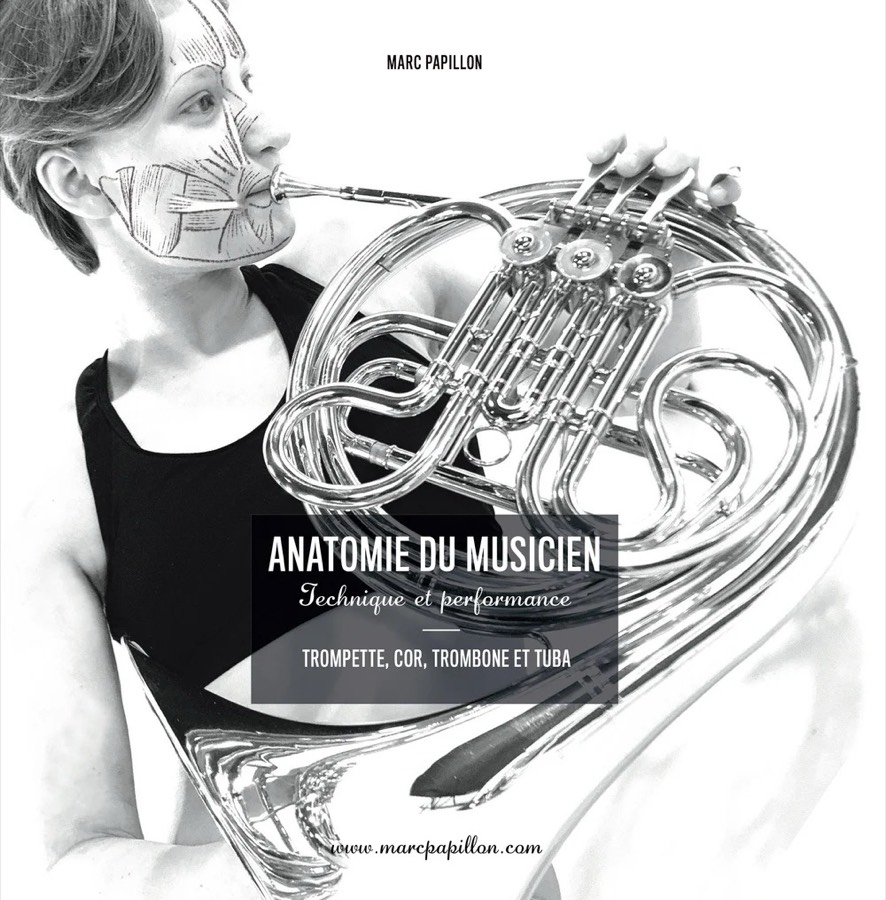
  2. Couverture d’Anatomie du musicien : Trompette, cor, trombone et tuba. Agrandir.Trompette, cor, trombone et tuba
  3. Couverture d’Anatomie du musicien : Violoncelle et contrebasse. Agrandir.Violoncelle et contrebasse
  4. Couverture d’Anatomie du musicien : Batterie et percussions. Agrandir.Batterie et percussions
  5. Couverture d’Anatomie du musicien : Voix et beatbox. Agrandir.Voix et beatbox
  6. Couverture d’Anatomie du musicien : Guitares, basses, luths, ukulélés…. Agrandir.Guitares, basses, luths, ukulélés…
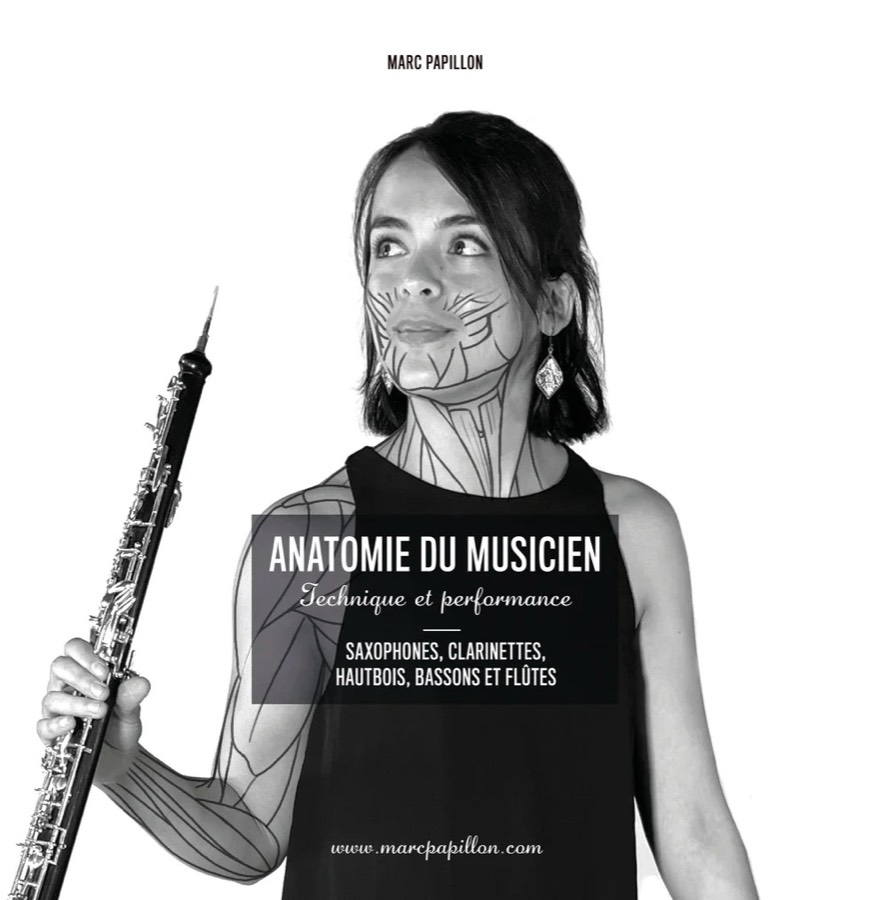
  7. Couverture d’Anatomie du musicien : Saxophones, clarinettes, hautbois, bassons, flûtes. Agrandir.Saxophones, clarinettes, hautbois, bassons, flûtes
  8. Couverture d’Anatomie du musicien : Pianistes, clavecinistes, organistes, accordéonistes. Agrandir.Pianistes, clavecinistes, organistes, accordéonistes
  9. Couverture d’Anatomie du musicien : Harpes. Agrandir.Harpes
  10. Couverture d’Anatomie du musicien : Musicien, acteur, danseur. Agrandir.Musicien, acteur, danseur

The Concours, le labo du musicien incarné series (2024-2026):

  1. Couverture de Mythes & réalités. Agrandir la couverture complète.Mythes & réalités Du corps contraint au geste vivant
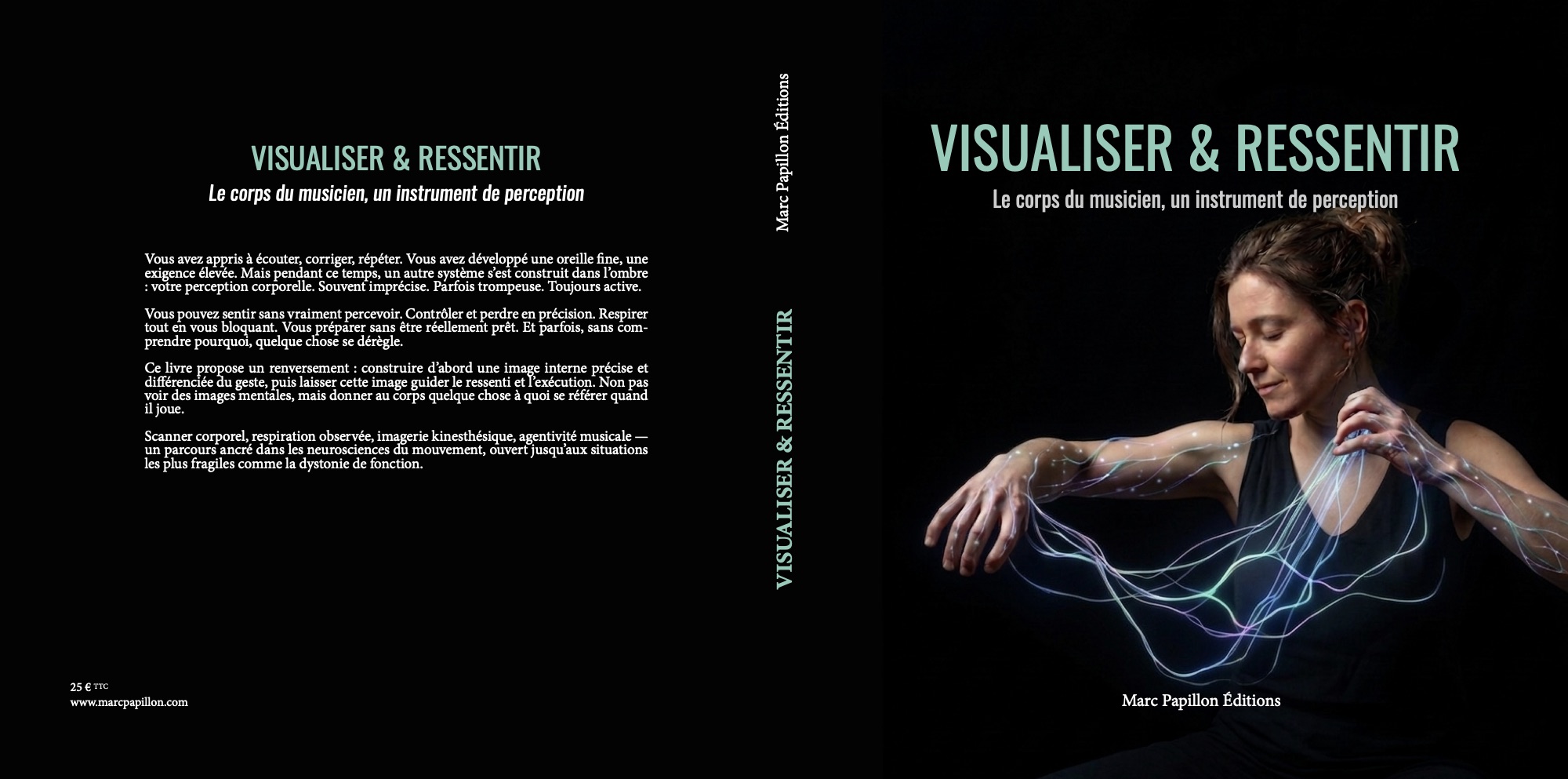
  2. Couverture de Visualiser & ressentir. Agrandir la couverture complète.Visualiser & ressentir Le corps du musicien, un instrument de perception
  3. Couverture de Le scénario vivant du musicien. Agrandir la couverture complète.Le scénario vivant du musicien Imaginer, raconter, jouer
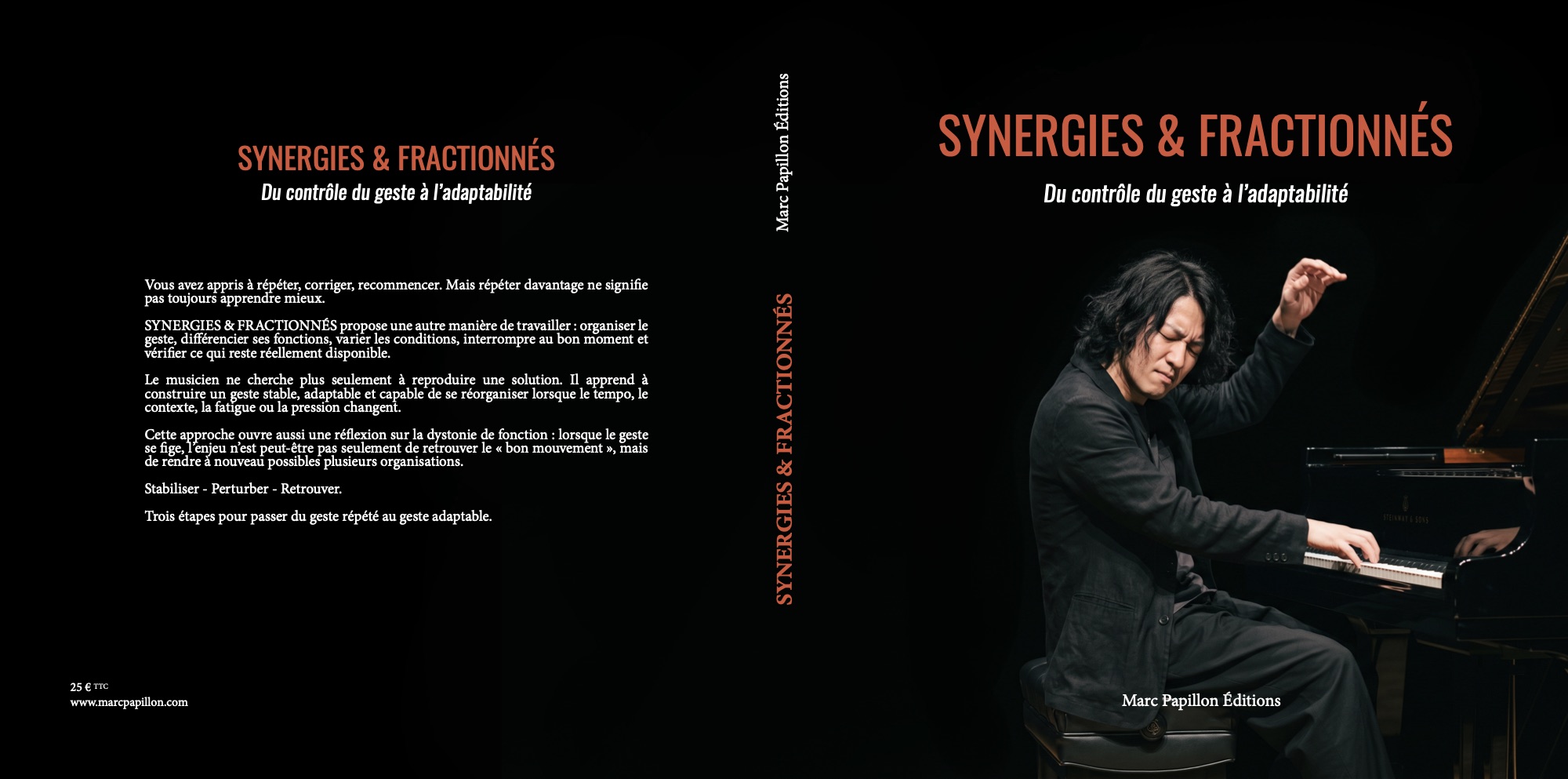
  4. Couverture de Synergies & fractionnés. Agrandir la couverture complète.Synergies & fractionnés Du contrôle du geste à l’adaptabilité
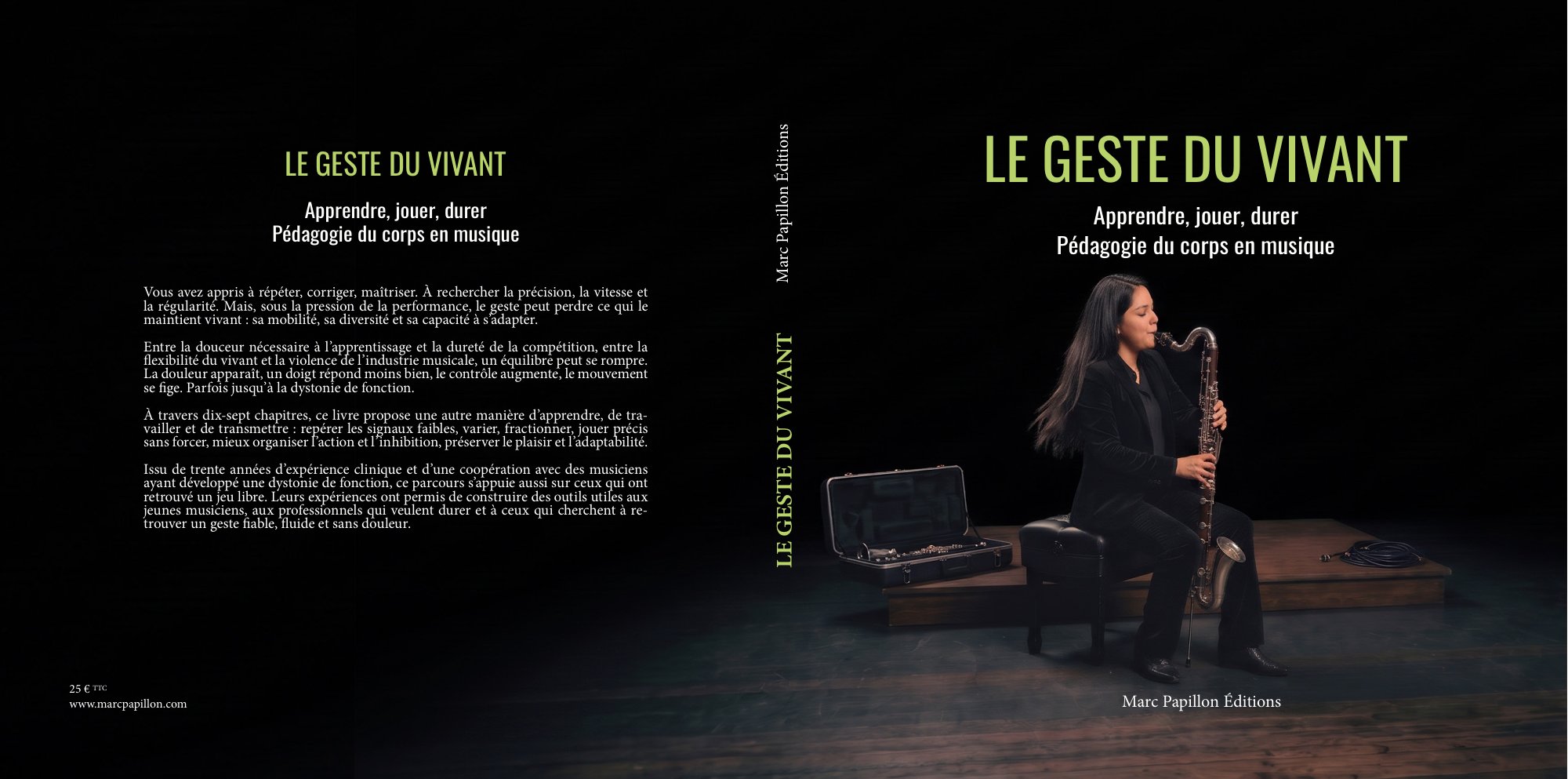
  5. Couverture de Le geste du vivant. Agrandir la couverture complète.Le geste du vivant Apprendre, jouer, durer
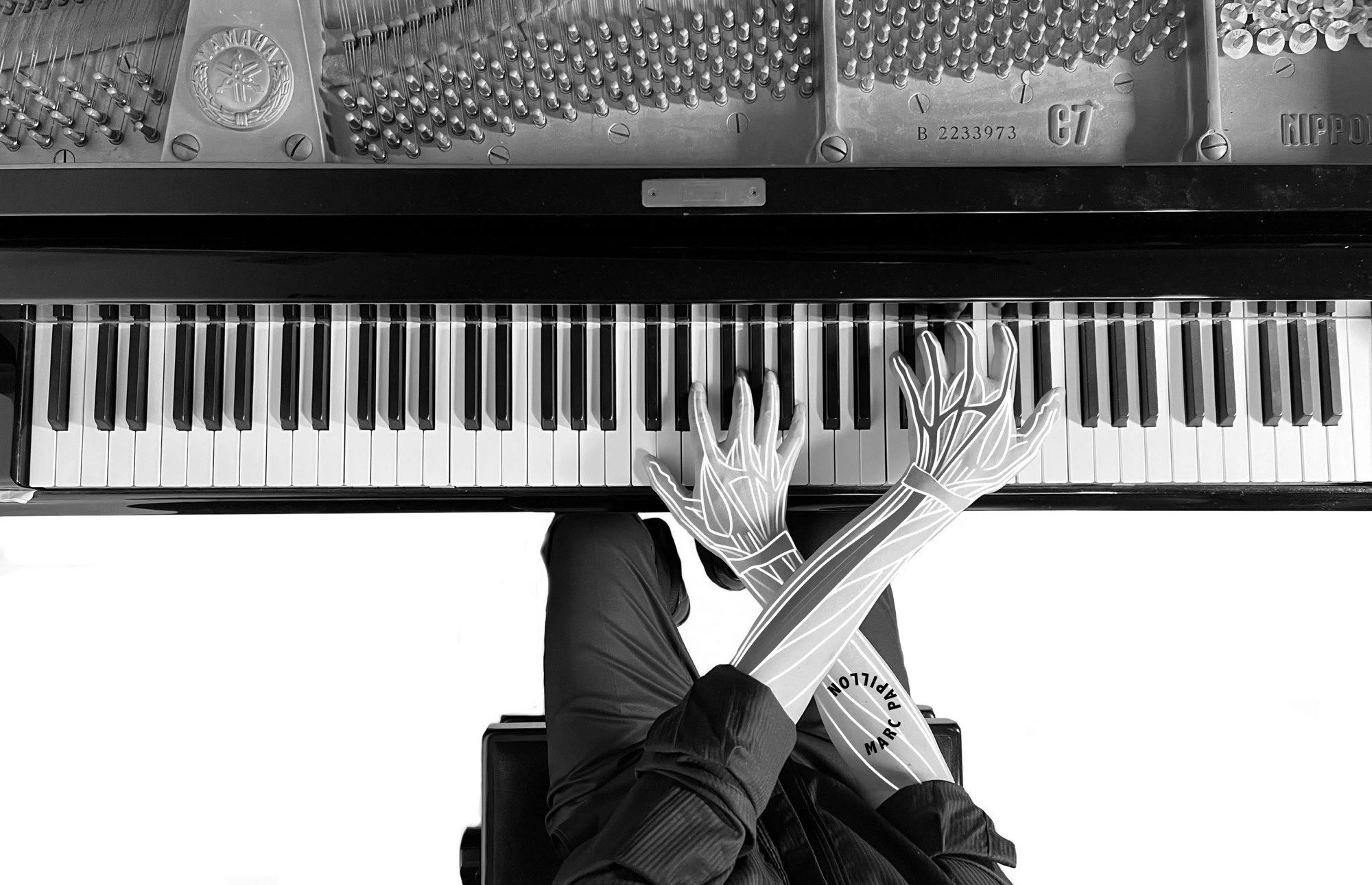
A pianist’s hands, anatomy drawn on the arms, above the keyboard.

A robust exploration
of performance

These experiences allow him to explore:

  • the neurophysiology of pain
  • metabolic adaptation
  • neural plasticity
  • proprioception and economy of movement

They shed light on the mechanisms of acceptance, effort management and preservation of physical integrity.

References

Institutions where Marc has worked, taught or carried out research: courses and workshops in conservatoires, orchestras and universities, research at Sorbonne Université (non-exhaustive list).

Orchestras

  • Orchestre national de l’Opéra de Paris
  • Orchestre national de la Radio
  • Orchestre national de France
  • Orchestre national d’Île-de-France
  • Orchestre de Bretagne
  • Orchestre des Pays de la Loire
  • Orchestre de Rennes
  • Orchestre Démos, Philharmonie de Paris
  • Orchestre de Québec
  • Orchestre de Concepción, Chili
  • Orchestre de Santiago du Chili
  • Orchestre d’Irkoutsk

Conservatoires

  • Conservatoire national supérieur de Paris
  • Conservatoires d’arrondissement de Paris
  • Conservatoire de Chambéry, Cité des arts
  • Conservatoire royal de Bruxelles
  • Conservatoire de Genève
  • Conservatoire de Lausanne
  • Conservatoire de Lisbonne
  • Conservatoire d’Helsinki
  • Conservatoire de Montréal
  • Conservatoire de Tokyo
  • Conservatoire de Cincinnati
  • Québec : Montréal, Québec, Chicoutimi, Rimouski, Saguenay, Sept-Îles
  • France : Avignon, Bourg-la-Reine, Île-de-France, Metz, Strasbourg, Saint-Avold, Annecy, Antony, Angers, Royan…

Research

  • Sorbonne Université
  • Institut du Cerveau (ICM)
  • IRCAM, laboratoire STMS
  • Université de technologie de Compiègne

Universities

  • Université Laval
  • Université de Montréal
  • Université du Québec

Contemporary music and jazz

  • Aix-en-Provence, Montpellier, Paris…

Lectures

  • Montauban, Bordeaux, Boston, Santiago, Los Angeles, New York, Santa Fe, Pondichéry, San Francisco, Lisbonne, Tampere, Helsinki, Papeete, îles Marquises, Timișoara…

Decoding teaching misconceptions

Many musicians absorb functional errors very early on. The search for excessive physical relaxation often leads to compensations in the shoulders, wrists, abdomen, thumbs, tongue or throat.

Passed down from generation to generation, these recommendations sustain misconceptions that affect playing comfort, velocity and endurance.

Through a conscious approach to functional anatomy, these preconceptions can be replaced by reliable reference points. Learning becomes more effective: expression, speed and enjoyment become within reach.

The joy of playing comes from an active body combined with a relaxed mind, not the other way round.
Teaching

Artistic teaching should not only pass on skills, but awaken active curiosity and the joy of learning. Too often, traditional methods focus on correcting mistakes, at the expense of exploration and experimentation.

Yet intrinsic motivation, the kind born of curiosity, is the most powerful driver of lasting learning. Encouraging play, improvisation, sensory discovery and body awareness anchors what is learned in a more stable and joyful way.

Living teaching turns effort into commitment, and learning into a path of fulfilment.

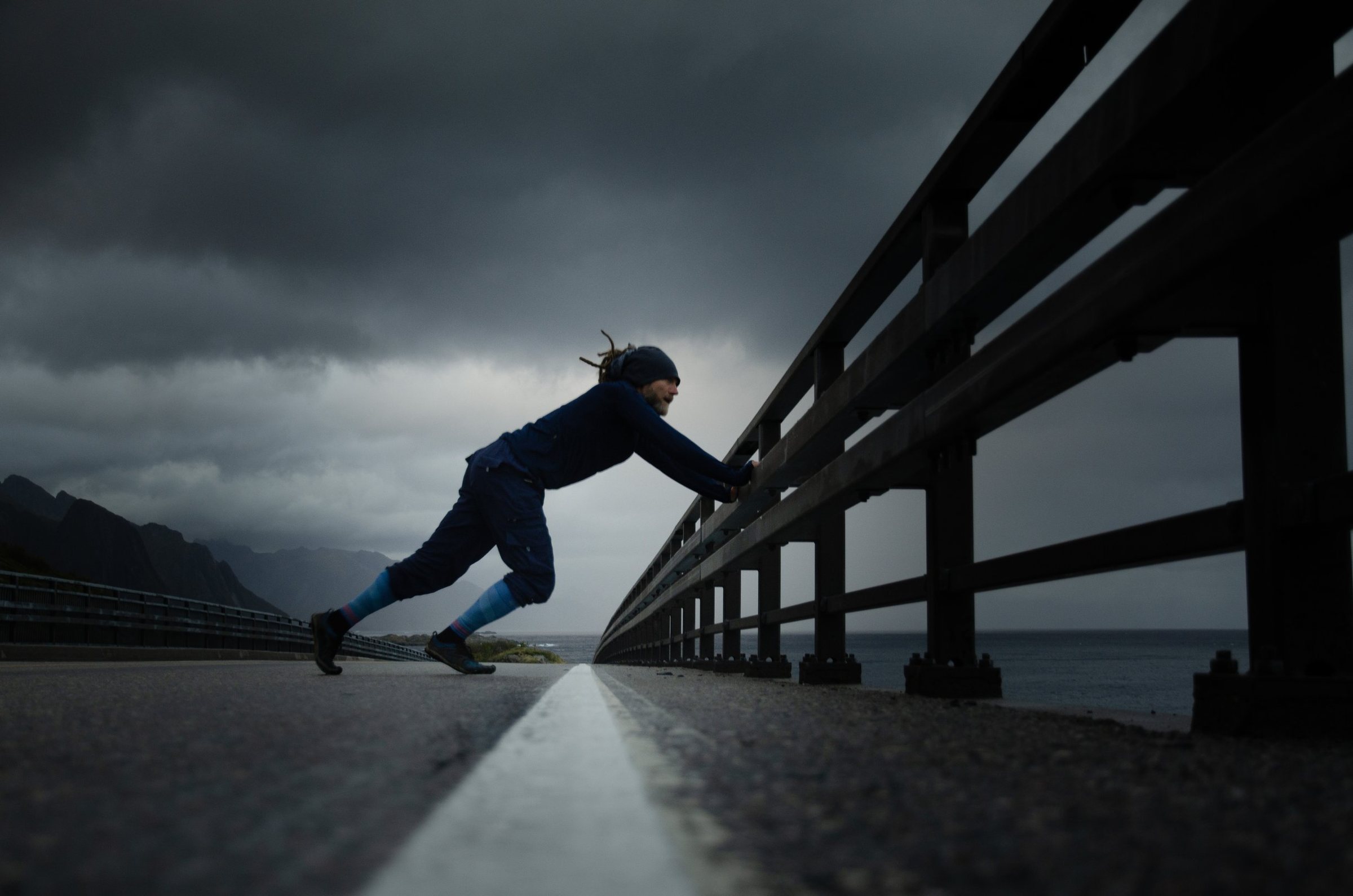
Marc stretching against a bridge railing, blue compression socks on his legs, under a stormy sky, facing the mountains and the sea.

Adventure as a laboratory

Alongside this, Marc continues to explore dance and music as fields of experiment. He has also chosen adventure as a living laboratory.

  • 2018Crossing Kyrgyzstan on horseback with his children
  • 2019–2021Ocean crossings under sail: Atlantic (2019), Pacific (2020), Indian Ocean, from Réunion Island to the Cape of Good Hope (2021)
  • 2023Marathons and long-distance trail runs (80 km), ascent of Mont Blanc and the Tour du Mont-Blanc (170 km and 10,000 m of elevation gain)
  • Paris–Oslo expedition: 40 marathons in 40 days, 7 countries crossed, 1,700 km and 40 nights in the forest
  • Triathlons, Ironman, then Triple Ironman: 11.4 km swimming, 540 km cycling, 126.6 km running

These terrains also become shared laboratories. Marc runs marathons alongside artists, with no stopwatch and no performance goal: reaching the finish without injury, keeping the sense of play and enjoyment despite the effort. He does the same in triathlon, in the water and then on the bike.

During the event, Marc and the musician talk about what they perceive: sensations, proprioception, interoception, emotions. They observe a body adjusting in real time, then over the hours. Little by little, the mindset changes: fatigue is no longer a threat to fight, it becomes information to play with.

Journey into the unknown

A way of feeding his research, creating new tools every day, and working with artists in the service of music.

Working with teachers and institutions,
at every level!

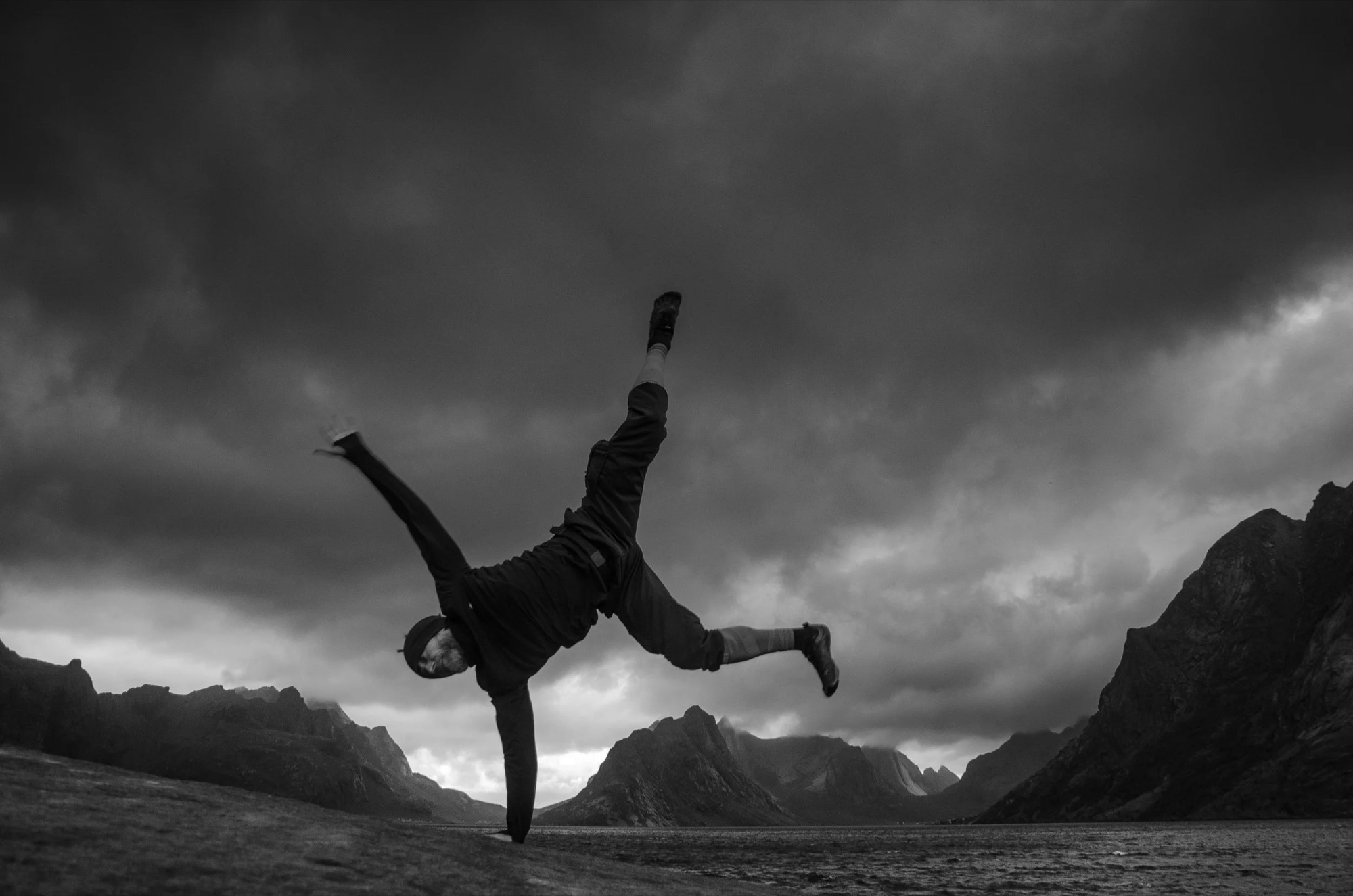
Marc Papillon balancing on one hand, facing the mountains, under a stormy sky.

Understanding and freeing the expression of artistic movement